
IFF Opens Brazil Forest Lab as Fragrance Houses Tie Natural Ingredient Discovery to Sourcing
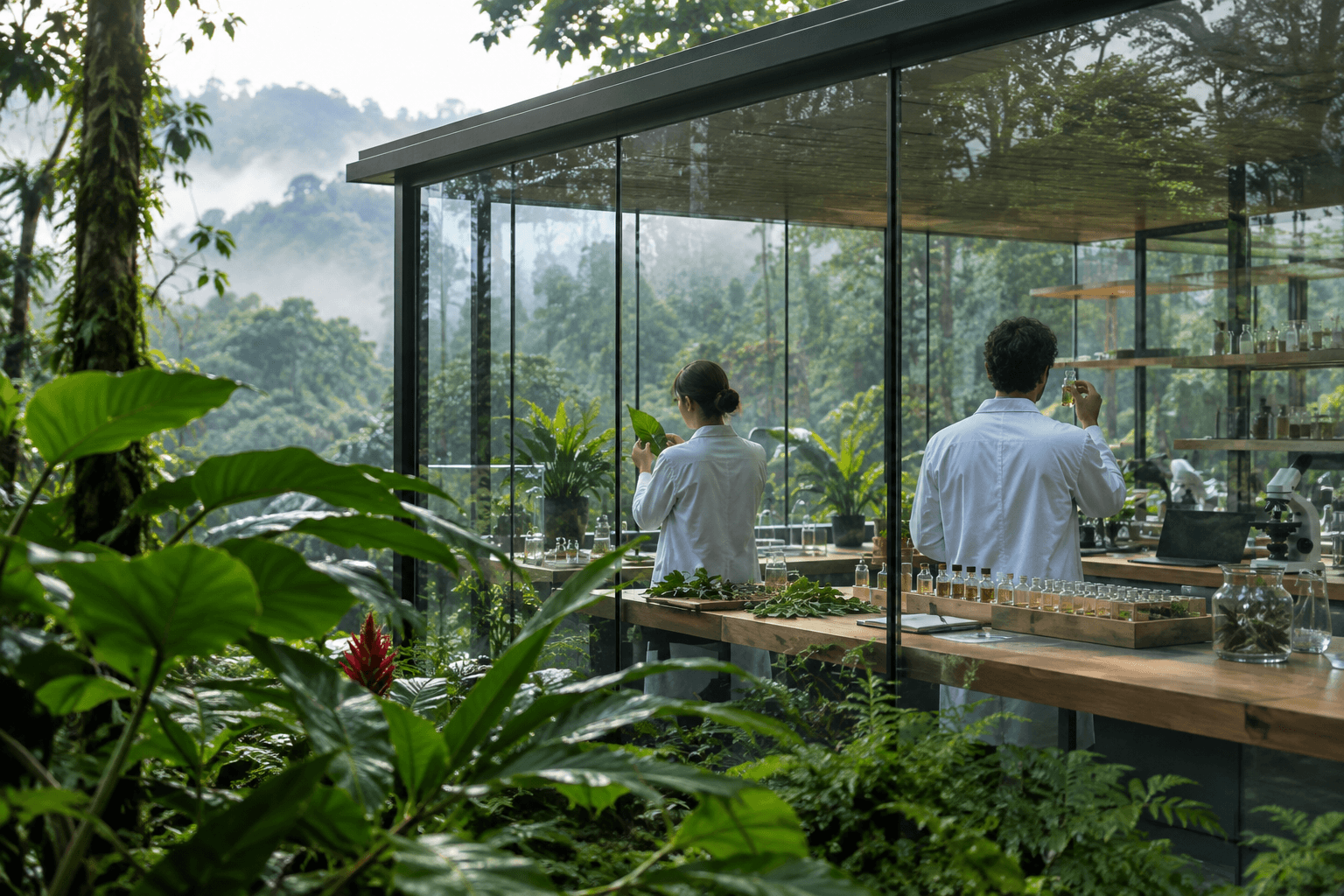
IFF has inaugurated its first Forest Lab in Legado das Águas, which the company describes as Brazil's largest private Atlantic Forest reserve. The facility is intended to bring biodiversity research, scent exploration, perfumery and beauty work into one hub. It deepens a bioprospecting partnership with Reservas Votorantim, the green economy division of Votorantim SA, which manages the reserve. Bioprospecting is the search for commercially useful ingredients in native flora.
The partnership launched in August 2025 and gives IFF exclusive access to the area's native flora. The reserve spans 31,000 hectares and is home to almost 1,000 plant species. Scientists from IFF and LMR, an IFF in-house unit that works with natural ingredients, will work alongside Reservas Votorantim researchers.
IFF says research at the lab will identify and document native species, study their olfactive profiles, and evaluate flowers, leaves, bark, roots, fruits and seeds. Over the year of collaboration, researchers have identified 33 Atlantic Forest species that IFF says could become perfume and beauty ingredients. The company says it has captured the scents of 27 native plants from living plants without picking them. Eight of those scents have been translated into ingredients using IFF Livings, its proprietary scent capture technology. IFF says the scents will be available for its perfumers to study in the near future.
The partners say later stages will develop sustainable sourcing models linked to biodiversity conservation. André Monteiro, CEO of Reservas Votorantim, said the lab reinforces a commitment to showing how conservation can drive innovation, and referred to opportunities "to create value from standing forests". The World Wildlife Fund says human activity has destroyed 88% of the original vegetation in the Atlantic Forest.
Other fragrance houses are also investing in natural supply. Mane has launched an experimental garden in Grasse, France. Symrise has completed its acquisition of Floral Concept, taking 100% of its share capital. Givaudan committed US$71.5 million earlier this year to start construction on Campus 52 in Grasse.
A discovery-stage project, not yet a supply chain
The announcement describes research and early translation work. Eight scents converted into ingredients and made available for perfumers to study is a long way from commercial supply. Volumes, timelines, funding and commercial terms have not been disclosed. Formulators and procurement teams should treat the 33 species as a candidate pipeline, not an available palette.
Sourcing is the unresolved variable
The sourcing models are the element most relevant to buyers, and they sit in a later stage of the partnership. Until the partners describe how material would be grown, collected or traced, claims about conservation-linked sourcing remain statements of intent. Any such claims are the companies' own and will need supporting evidence. The exclusive access arrangement may also matter to competitors, since it concentrates one reserve's flora with one supplier.
Regulatory pressure as context
The announcement is framed against looming deforestation regulation and heightened consumer scrutiny. No link is drawn between this project and specific rules, so it would be a mistake to read it as a compliance measure. It does suggest that large suppliers want a documented origin story for natural ingredients, which could shape what brands ask of them.
Peer moves point in one direction
Mane's garden, Symrise's acquisition and Givaudan's Grasse investment differ in scale and structure. Each, on the facts given, strengthens control over natural raw materials. For investors and suppliers, the question is whether control comes through land access, ownership or in-house capability, and which route proves durable.
It will be worth watching whether IFF and Reservas Votorantim publish detail on sourcing models, and whether any of the eight scents moves from perfumer evaluation into commercial use.